
 fr
fr en
en de
de Shopping Cart
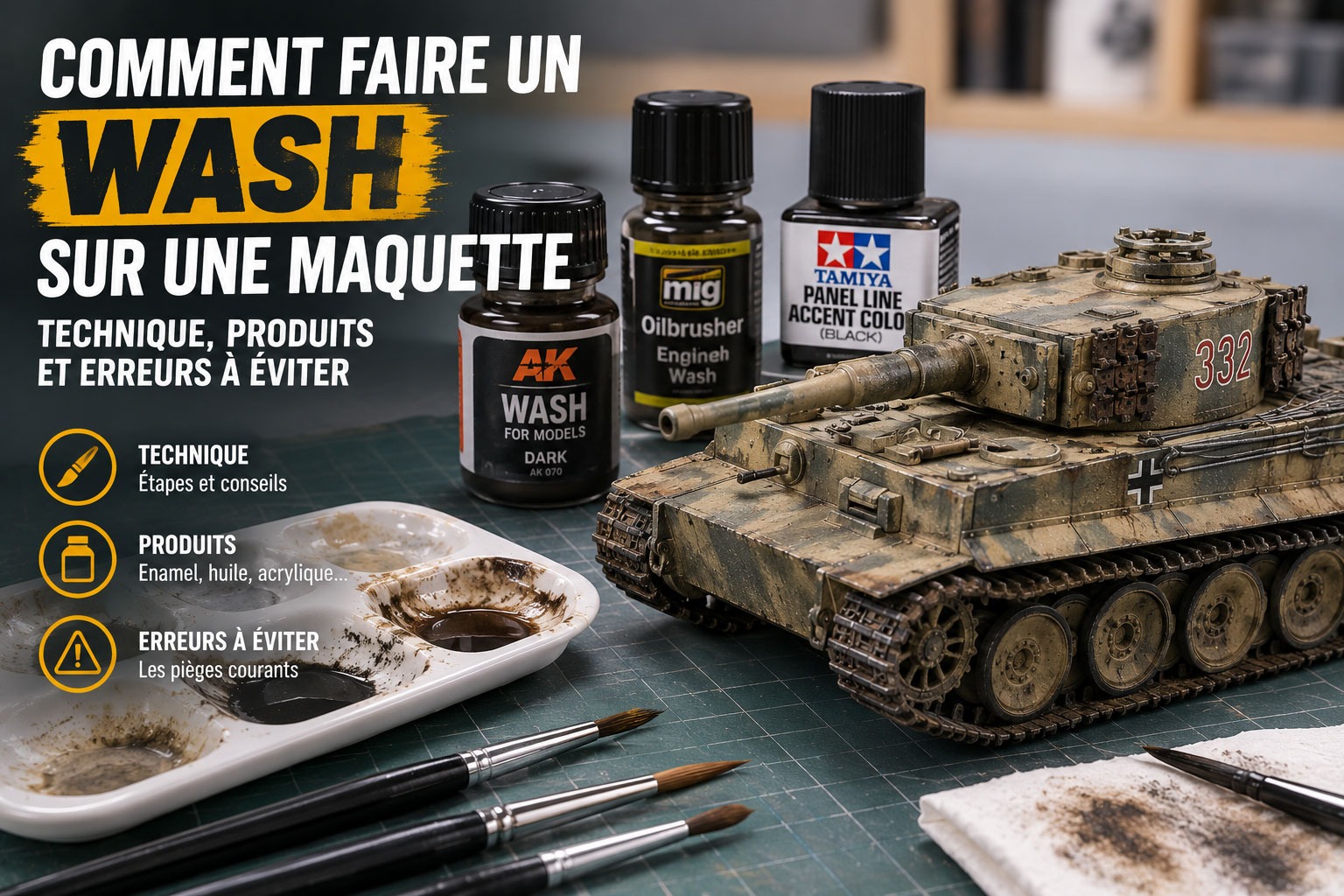
A wash is a weathering technique that consists of applying a heavily diluted product into the recesses, panel lines and raised details of a painted model, to enhance the depth and realism of the surface. It is one of the first weathering techniques to master after the base coat.
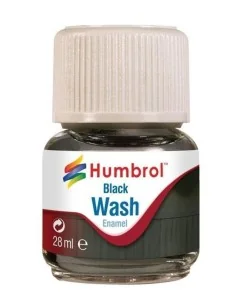
The Humbrol Enamel Wash Black is an enamel wash, as its name states. It is a common choice for beginners because its working time is generally longer than an acrylic product.
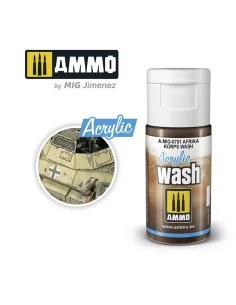
The ACRYLIC WASH Afrika Korps Wash by AMMO by MIG Jimenez is an acrylic wash in a 15 ml bottle: the product page states it is applied with a brush and can be thinned with a few drops of water to adjust the intensity of the effect.
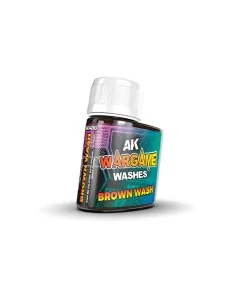
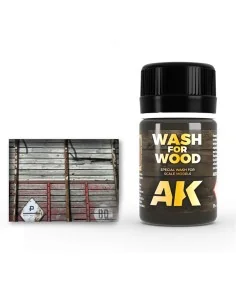
The AK Interactive Wash and Vallejo Wash FX ranges each offer a wide colour chart. Before using them on a visible part, always check the dilution and cleaning instructions on the packaging, and test the product on a spare part or hidden area first.
To go further into the differences between paint brands and ranges, see our guide AK vs Ammo vs Vallejo.
A wash is applied after the base coat, once it is fully dry. A layer of gloss varnish before the wash helps the product flow by capillary action into the panel lines and limits unwanted marks on flat areas. Our guide Scale model painting: complete method details the sequence of primer, paint layers and weathering steps.
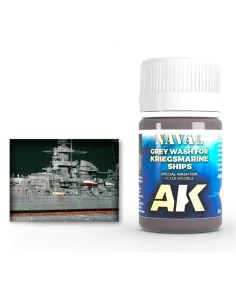
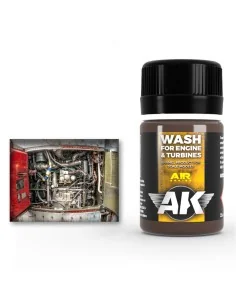
Some references are designed for a specific theme, which helps you choose a tone consistent with your model's subject:
Once the wash is fully dry, a matte or satin varnish protects the achieved effect and evens out the finish before any additional weathering steps (pigments, dry-brushing).
Do you need a gloss varnish before a wash? In most cases, yes: it helps the product flow into the panel lines and limits marks on flat surfaces.
Can you use an enamel wash over acrylic paint? This is common practice when the acrylic layer is protected by a varnish, but it is recommended to always test on a hidden area first.
Which tone should you choose for a first try? A dark tone (black, brown or dark grey) over a light base makes the effect easy to see and is a good way to practice the wiping motion.

Comments (0)